 litany
Continue with Genesis.
Check the matching claim for your original Hollow. Your Abstract NFT stays on Abstract; the matching Hollow begins its new history on Robinhood.
Genesis claiming ↗Start with a founder. Introduce a new bloodline. Bring two Hollows together and discover what their descendants inherit.
Build your collection on Robinhood Chain through Genesis claims, primary releases and synthesis.
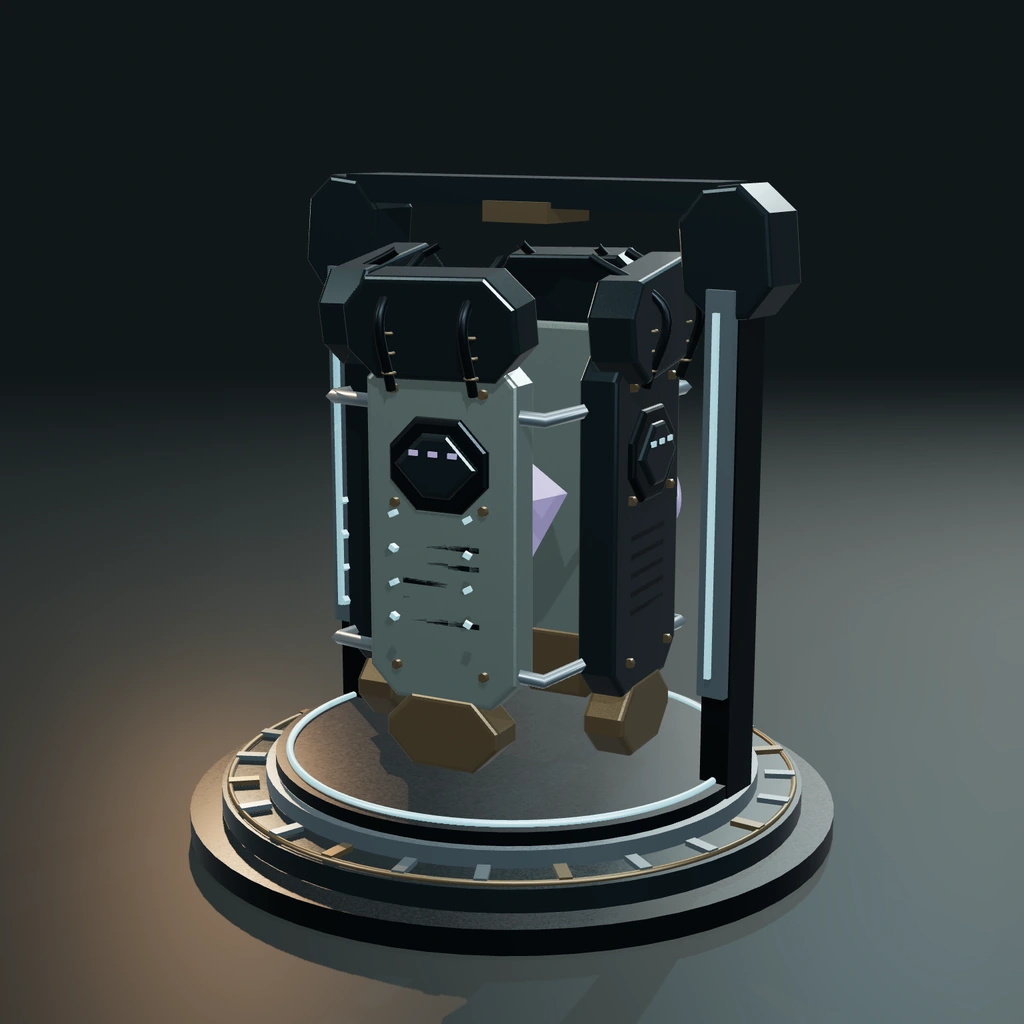
Check the matching claim for your original Hollow. Your Abstract NFT stays on Abstract; the matching Hollow begins its new history on Robinhood.
Genesis claiming ↗1,000 porcelain-white Hollows introduce a distinct palette and finish through the first primary release.
Explore the Shop ↗Organize a formation, inspect a Hollow’s history and manage its available appearances from your collection.
Collector wallet ↗Choose two eligible Hollows. Current ownership, consent, maturity and remaining synthesis uses must be checked.
Review the actual fee and parent commitments before confirming. A sealed offspring begins its gestation.
The sealed Hollow can change hands. Reveal is an explicit owner action after gestation completes.
Rendering and verification resolve the inherited form. The retained portrait and metadata complete its record.
Genesis begins in industrial metals. Hidden chromatic genes can become visible in the very first generation; the rendered outcome depends on inheritance.
The Pale Host introduces white pigments and porcelain finish. Descendants can inherit these ingredients, beyond the 1,000 directly minted Hollows.
Breeding recombines available genes. New authored patterns, finishes and emblems enter through releases, then become part of future inheritance.
No. Specimens and crucible stages explain the collection and experience. A preview is not a promise of an exact randomized sale outcome or descendant.
Do not assume so. Claim status must be checked independently. An outstanding claim authorization can survive a later transfer of the Abstract original.
The record stays pending until its output is verified and retained. Refreshing or returning should recover the existing operation rather than submit another transaction. Render time and chain finality can vary.